
Independent Retirement Village Adviser in Brisbane
Who can help you choose a retirement village in Brisbane?
Most of the people you meet while you look at retirement villages are paid by the village: the sales manager who shows you through, the comparison website that lists it and the broker who recommends it. They can be kind and helpful, and they also have a result in mind. The best help comes from three places. The first is the set of documents Queensland law says every village must hand you before you sign. The second is a solicitor and a financial planner who work only for you. The third is an independent adviser who is paid by you rather than by the village, if you would like someone beside you through the search.
If you are still deciding whether to move at all, the better starting point is should I downsize?, and this page will be here when a village is on the list. If a village already looks likely, begin with how the money works, because it shapes everything else about the choice.
Where are you up to?

You are thinking ahead
You are well, the house is still manageable and you would like to understand your options before anything forces the decision. Read how much a retirement village costs in Brisbane first, because the money model surprises most people, then ask one or two villages for their Village Comparison Document and read it at the kitchen table with a cup of tea.
You are helping a parent
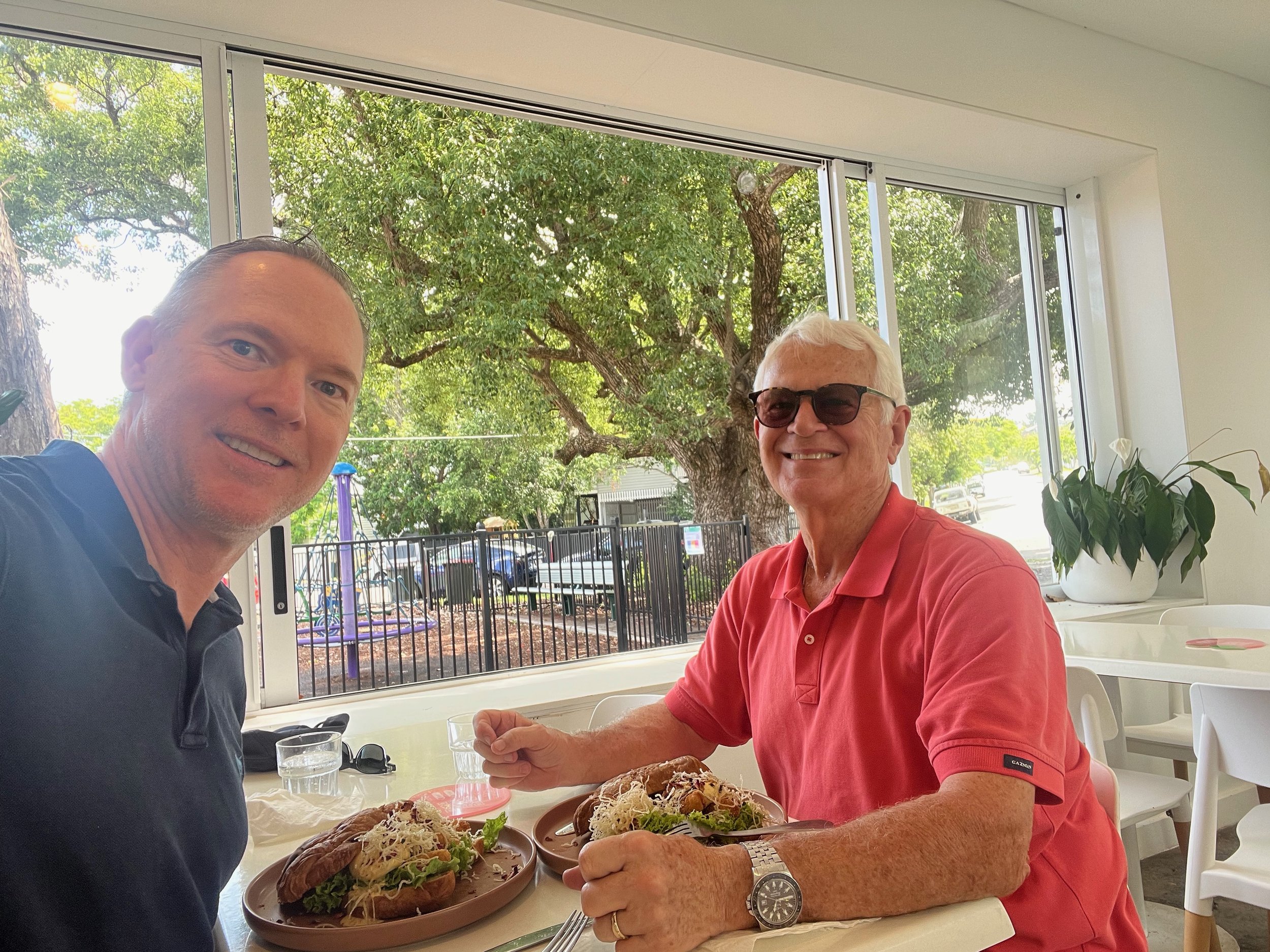
You are the son or daughter doing the research, often from another suburb or another state, and you would like to bring your parent a short list rather than a pile of brochures. The downsizing checklist is something the two of you can work through together, and the free guide explains the contract types in plain English before anyone books a tour.

Things have changed quickly
A change in health or circumstances has brought the decision forward and the family would like a calm plan rather than a rushed one. Even now there is more room than it feels like, because Queensland law puts the documents in your hands at least 21 days before you sign and allows 14 days after signing to change your mind, so a good decision is still well within reach.
What to understand before you choose a village
Three things shape the choice far more than the brochure does: how the money works, what Queensland law puts in your hands and how you compare one village with another.
How the money works
A retirement village home is usually not bought in the way a house is. You pay an ingoing contribution to move in, a general services charge each month while you live there and, when you leave, an exit fee, often called a deferred management fee, worked out as a percentage of your ingoing contribution or of the resale price for each year you stayed. The same village can offer two or three contract types with different exit fees, so two homes at the same price can leave you with quite different amounts later on. The typical Brisbane figures are set out in how much a retirement village costs in Brisbane.
Three questions worth asking at every village:
Which contract types do you offer, and how does the exit fee differ between them?
What is the general services charge this year, and how has it changed over the past three years?
If I left after two years, after five and after ten, what would come back to me under each option?
What Queensland law puts in your hands
Every village in Queensland must publish a Village Comparison Document and hand you a copy within 7 days of asking, and the Queensland Government’s Compare retirement villages website holds them side by side, so you can read the costs and contract options of several villages before you book a single tour. Once a particular home interests you, the operator must provide a Prospective Costs Document for that unit within 7 days, setting out what you would pay to move in, what you would pay to live there and what you would receive back if you left after 1, 2, 5 or 10 years.
You must have both documents at least 21 days before you sign a residence contract, and after signing you have a 14-day cooling-off period in which any ingoing contribution you have paid comes straight back. Queensland has no settling-in period after that, which is one more reason to use the 21 days well. The Queensland Government sets all of this out in its guide to the documents the operator must supply.
How to compare villages properly
Visit twice, once on a weekday morning when the village is busiest and once late on a weekend afternoon when it is quiet, because the two visits tell you different things.
Ask what is likely to come up over the next six months, not only what is for sale today, and whether there is a register of interest you can join.
Have a chat with a resident or two if the chance arises, perhaps at the coffee shop or beside the bowling green, because they will tell you about the bus timetable and the happy hour long before the brochure does.
Put the Village Comparison Documents side by side and compare the general services charge and the exit fee for the same contract type, since the headline price tells you the least.
Take the downsizing checklist with you so the practical questions about the home itself, the step at the front door and the walk to the car, are not forgotten in the excitement.
The two people worth seeing before you sign
Whoever helps you with the search, two professionals belong on your side before any contract is signed, and they do different jobs. A solicitor who specialises in retirement village contracts, rather than a conveyancer who does the odd one, will take you through the residence contract and the disclosure documents and point out anything unusual for that village. If the cost of that advice is a worry, the Queensland Retirement Village and Parks Advice Service at Caxton Legal Centre is funded by the Queensland Government to help prospective residents at no charge.
A financial planner looks at how the move sits with everything else, including the pension, the money from the family home and what you would like to leave behind, because the ingoing contribution and the exit payment can shift all three. One tells you what the contract says and the other tells you what it means for your money.
If care is part of the question, My Aged Care is the right first call, and it is a separate decision from choosing a village.
Where I fit in, if you would like someone beside you
I am an independent retirement village adviser in Brisbane, and the people who come to me are usually at one of two points: still weighing up whether a village is right at all, or ready to inspect and choose and wanting someone beside them who is not paid by the village. I work only for you, on a fixed fee agreed in writing before anything starts, and no village or operator pays me anything, nor does any professional I introduce you to.
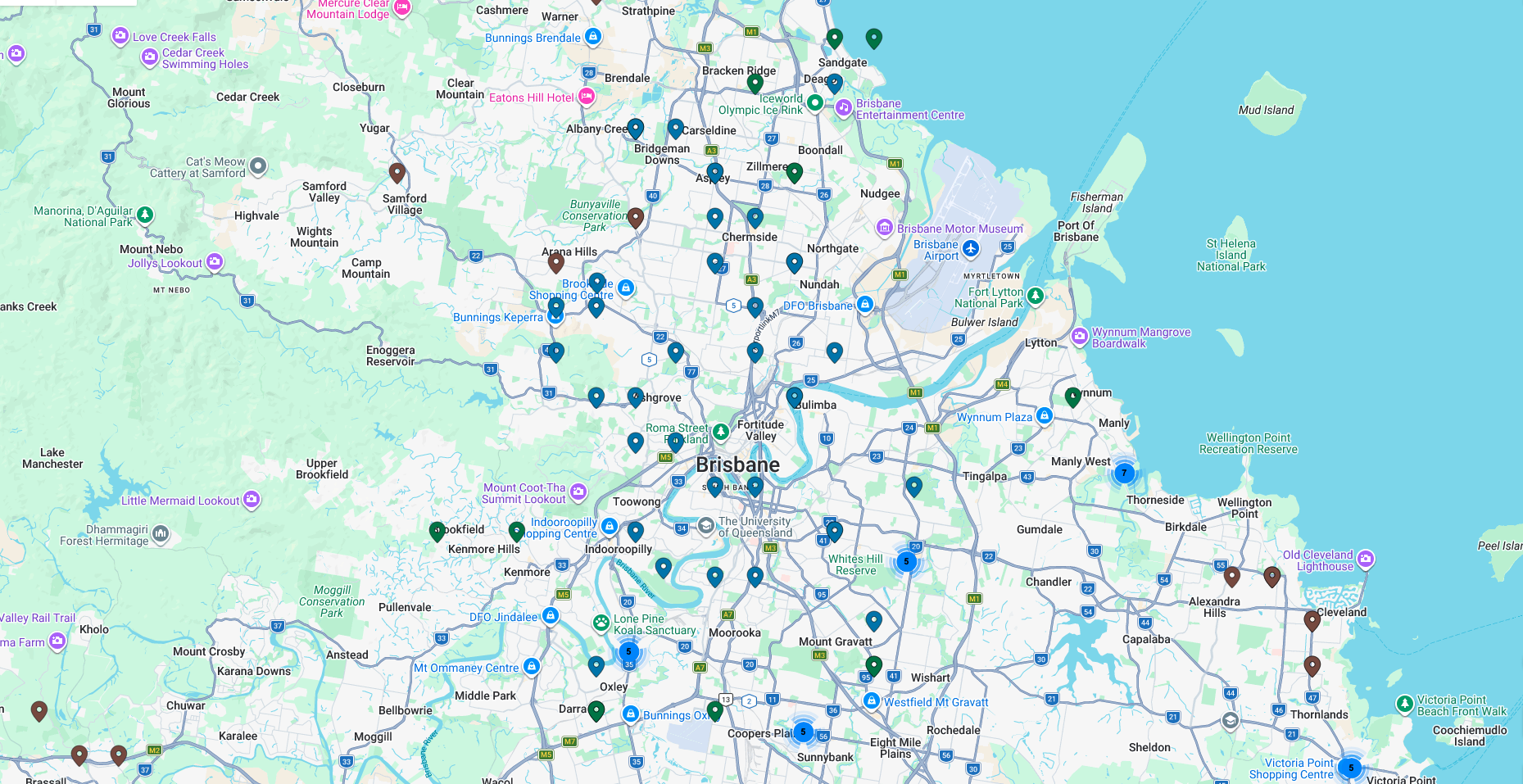
In practice I help you work out which kind of community suits you and build a shortlist of three to five villages from the Lighthouse List, my own record of the retirement communities across Brisbane and South East Queensland, which is updated every week as I speak with villages and add to it. I confirm fees and availability with each one before you visit, book the inspections and come along with you, read the disclosure documents through with you and explain how each contract works when you come to leave, then put it all in a written report naming the two or three villages worth putting your name down at. Twenty-five years as a Registered Property Valuer in the Queensland property market go into reading the figures, which is the part most people find hardest on their own.
The two ways of working together, the Retirement Clarity Roadmap and the Selection Partner, are described on my services page. The simplest first step is a 30-minute phone call in which you tell me where things are up to and I tell you plainly whether I can help, so please feel free to start the conversation.
FAQs
Who can help me choose a retirement village in Brisbane?
1
The village’s own disclosure documents, a solicitor who specialises in village contracts, a financial planner and, if you would like someone beside you through the search, an independent adviser paid by you rather than by the village. The Queensland Government’s Compare retirement villages website is a free place to start.
What does a retirement village adviser do?
2
An independent adviser helps you work out which kind of community suits you, shortlists and compares villages, attends inspections with you, reads the disclosure documents with you and writes up a recommendation. A good one does not review the contract or advise on your finances; those jobs belong to your solicitor and your financial planner.
Do you take commissions from retirement villages or operators?
3
No. I am paid a fixed fee by you for this work, agreed in writing before any work begins, and nothing at all by any village, operator or professional I introduce you to.
Do you review retirement village contracts?
4
No. A contract is legal work for a solicitor who specialises in retirement village contracts. I help you understand what the Village Comparison Document and the Prospective Costs Document show, then introduce you to a specialist solicitor for the contract itself.
How long does it take to choose a retirement village?
5
Most families take a few months from the first visit to a decision, and the wait for the right home at a sought-after village can then run a year or more, so it pays to start before the decision is urgent. Queensland law also builds in time at the end: at least 21 days with the documents before signing and 14 days to change your mind afterwards.
Village or Land Lease? How to Choose in South East Queensland, free and sent by email.
“We weren’t quite sure where to begin and it all felt a little unfamiliar. Sam at Hazel & Fred helped us find a great retirement community and introduced us to other professionals who helped make the move seamless. It was very comforting having someone to guide us.”
Margaret & Ron came to Hazel & Fred for help choosing a retirement community and coordinating the move.