What Is a Land Lease Community? A Plain-English Guide for Brisbane Buyers
The short version is that a retirement village charges an entry contribution and a deferred management fee when you leave, while a land lease community charges neither and lets you keep the capital gain. The full side-by-side, including what each costs in Brisbane, is in my comparison of retirement villages and land lease communities.
How a Land Lease Community Works
A land lease community, sometimes marketed as a lifestyle resort or an over-50s community, is a residential community where each resident owns their own home and rents the site underneath it. In Queensland these communities operate under the Manufactured Homes (Residential Parks) Act 2003, and the document you sign is called a site agreement. It sets out your right to keep your home on the site, the site fee you pay, how that fee can increase and the rules of the community.
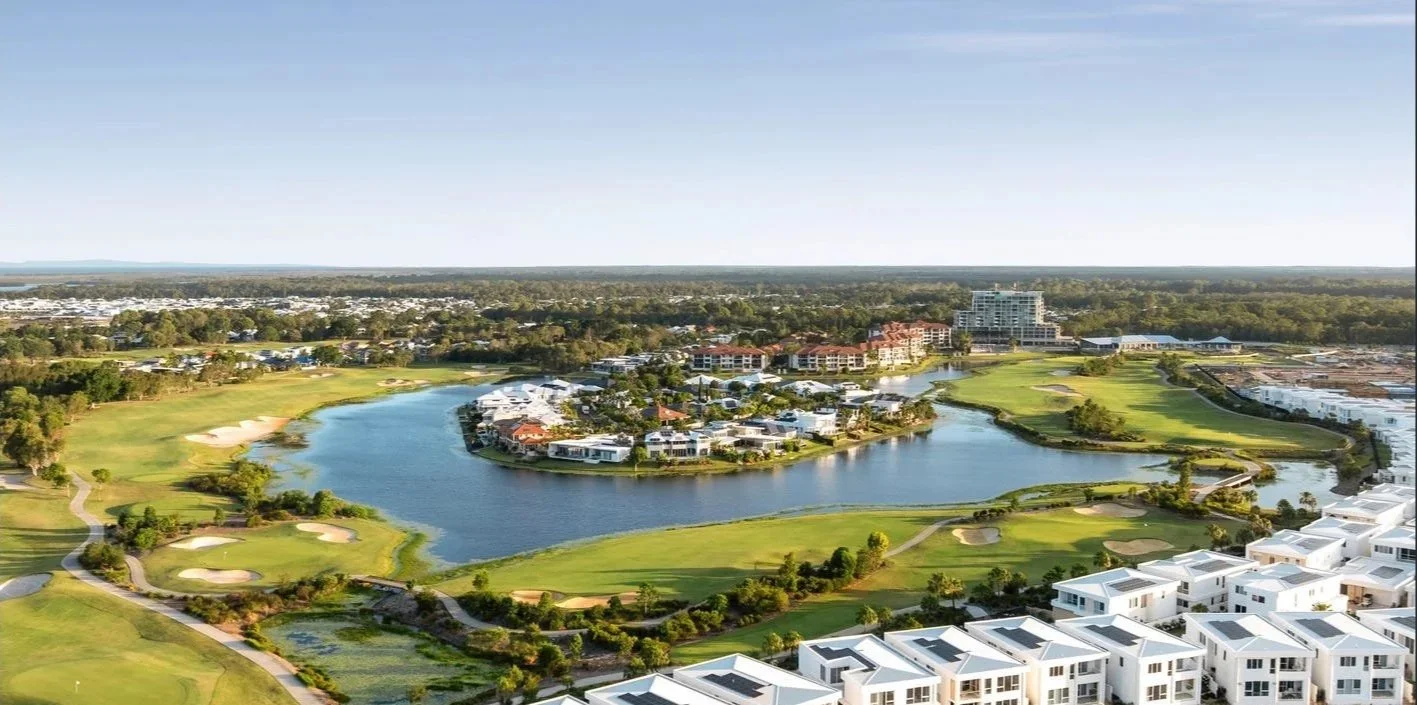
In the newer Southeast Queensland communities the homes are typically modern, single-level and built to a high standard, and the communities usually offer shared facilities such as a clubhouse, a pool, lawn bowls, a gym or a workshop, with a social calendar to match. Because you own the home outright, you can generally sell it on the open market when the time comes, with the buyer entering a new site agreement with the operator.
What You Pay
There are two main costs: the purchase price of the home and the ongoing site fee.
The purchase price works much like buying any home, with one welcome difference. Because you are buying the dwelling and not the land, in most cases there is no stamp duty on the purchase. That saving alone can run to tens of thousands of dollars compared with a conventional property purchase, though you should confirm the position on any specific purchase with your lawyer.
The site fee is a weekly amount paid to the operator for the lease of your site and the running of the community, covering things like the shared facilities, grounds maintenance and management. Because the operator owns the land, you do not usually receive a council rates bill of your own. You still cover your own utilities, home insurance and contents insurance. Site fees vary widely between communities and rise over time, so ask for the current figure and the increase history in writing before you compare anything else.
There is one more piece worth knowing. If you receive the Age Pension or another eligible Centrelink payment, you may qualify for Commonwealth Rent Assistance towards your site fee, because the fee counts as rent. Whether you qualify and for how much depends on your circumstances, and that is a question for Services Australia or your financial planner rather than a sales office.
What Happens When You Sell
This is where land lease differs most sharply from a retirement village. In most land lease communities there is no deferred management fee, so when you sell, the sale proceeds and any capital gain are generally yours. You own the home and you sell the home.
The word most is doing real work in that sentence. A small number of operators include a deferred fee or an exit charge in their agreements, and selling arrangements differ between communities, including whether the operator assists with the sale and what commission applies if they do. The site agreement is where those answers live, so read the selling clauses closely and ask the operator to walk you through them before you commit.
How Land Lease Differs From a Retirement Village
Retirement villages in Queensland operate under a different law, the Retirement Villages Act 1999, and a different financial model. Most villages charge a deferred management fee when you leave, and in return the entry price is often lower than the cost of a comparable home outside the village. Land lease communities flip that arrangement. You pay the market price for the home and an ongoing site fee, and in most cases you keep the upside when you sell.
Neither model is better across the board. They suit different finances and different plans, which is why the comparison deserves to be done properly for your situation. I have compared the two models side by side in retirement villages vs land lease communities, and the short version sits in the table below.
| Land lease community | Retirement village | |
|---|---|---|
| What you own | The home, not the land | Usually a lease or licence to live in the home |
| Governing law (QLD) | Manufactured Homes (Residential Parks) Act 2003 | Retirement Villages Act 1999 |
| Stamp duty | Usually none | Depends on the tenure model |
| Ongoing cost | Weekly site fee | General services charge |
| Exit fee | Usually none, check the agreement | Deferred management fee is standard |
| Capital gain on sale | Generally yours | Shared or retained, contract dependent |
| Rent assistance | May apply to site fees for eligible residents | Generally does not apply to owner residents |
The Legal Framework in Queensland
Land lease communities are governed by the Manufactured Homes (Residential Parks) Act 2003, which sets out what a site agreement must contain, how site fees can increase and what the operator must disclose before you commit. The Act was strengthened in 2024 with amendments aimed at improving consumer protection, particularly around site rent increases and the sale of homes, so the framework buyers step into today is stronger than it was a few years ago.
Two practical points follow. First, a site agreement is a legal document with long-term consequences, and it should be reviewed by a lawyer familiar with this legislation before you sign, just as a retirement village contract goes to a specialist. Second, ask for the disclosure documents early, take them away and go through them without anyone waiting on your answer. I read these documents alongside my clients so the comparison is grounded in what the paperwork actually says rather than what the brochure suggests.
Who Land Lease Living Tends to Suit
Across the families I work with, the model tends to suit a few situations particularly well:
- Downsizers who want a modern, low-maintenance home with resort-style facilities and a full social calendar.
- People who want to keep the capital gain when they sell and prefer paying as they go over a larger fee at the end.
- Pensioners whose site fee is partly offset by Commonwealth Rent Assistance.
- Families freeing up money from the family home for the years ahead.
The trade-off to weigh is the site fee, which continues for as long as you live there and rises over time. For some budgets a steady weekly cost is easier to plan around than a deferred fee at the end, and for others it is the reverse. The right answer is a calculation, not a preference, and it is worth doing with real numbers for the communities you are actually considering. If a smaller conventional home is also on your list, my guide to choosing a low-maintenance home for retirement in Brisbane covers that option too.
What to Check Before You Commit
Five things belong on every buyer's list: the current site fee and the community's increase history over the past five years; how future increases are calculated under the agreement; the selling arrangements, including any fees or commissions that apply; the community rules covering pets, visitors and home modifications; and the operator's track record running communities like this one. Ask for everything in writing and take your time with it. A good operator will be comfortable with careful questions, and how a community answers them tells you plenty about how it is run.
Frequently asked questions
Do you own the land in a land lease community?
No. You own your home outright and lease the site it sits on from the community operator under a site agreement, paying an ongoing site fee. In Queensland that agreement is governed by the Manufactured Homes (Residential Parks) Act 2003.
Do you pay stamp duty when buying into a land lease community?
In most cases no, because you are buying the home rather than the land. It is one of the meaningful savings of the model compared with a conventional property purchase, though you should confirm the position on any specific purchase with your lawyer.
Can you claim rent assistance for site fees?
Eligible pensioners and other qualifying Centrelink recipients may receive Commonwealth Rent Assistance towards their site fees, because the fee counts as rent. Eligibility and amounts depend on your circumstances, so check with Services Australia before you build it into your budget.
Is there a deferred management fee in a land lease community?
In most land lease communities, no, and any capital gain when you sell is generally yours. A small number of operators do include deferred or exit fees, so the site agreement is the place to confirm the position before you sign.
Are land lease communities only for over-50s?
Most communities in Southeast Queensland set a minimum age, commonly 50, and are designed around that stage of life. Each community sets its own rules, so check the age requirement and the residency rules of any community you are considering.
Wondering whether land lease living fits your plans?
Working out whether a land lease community, a retirement village or a smaller conventional home is the right fit is exactly the comparison I help families make. You can reach me through the contact page or any of the Start the Conversation links on the site. A 30-minute conversation is free and without obligation. If you are still at the reading stage, the free guide, The Complete Downsizing Checklist for Brisbane Families, is a good companion to this one.
Talk soon, Sam Price